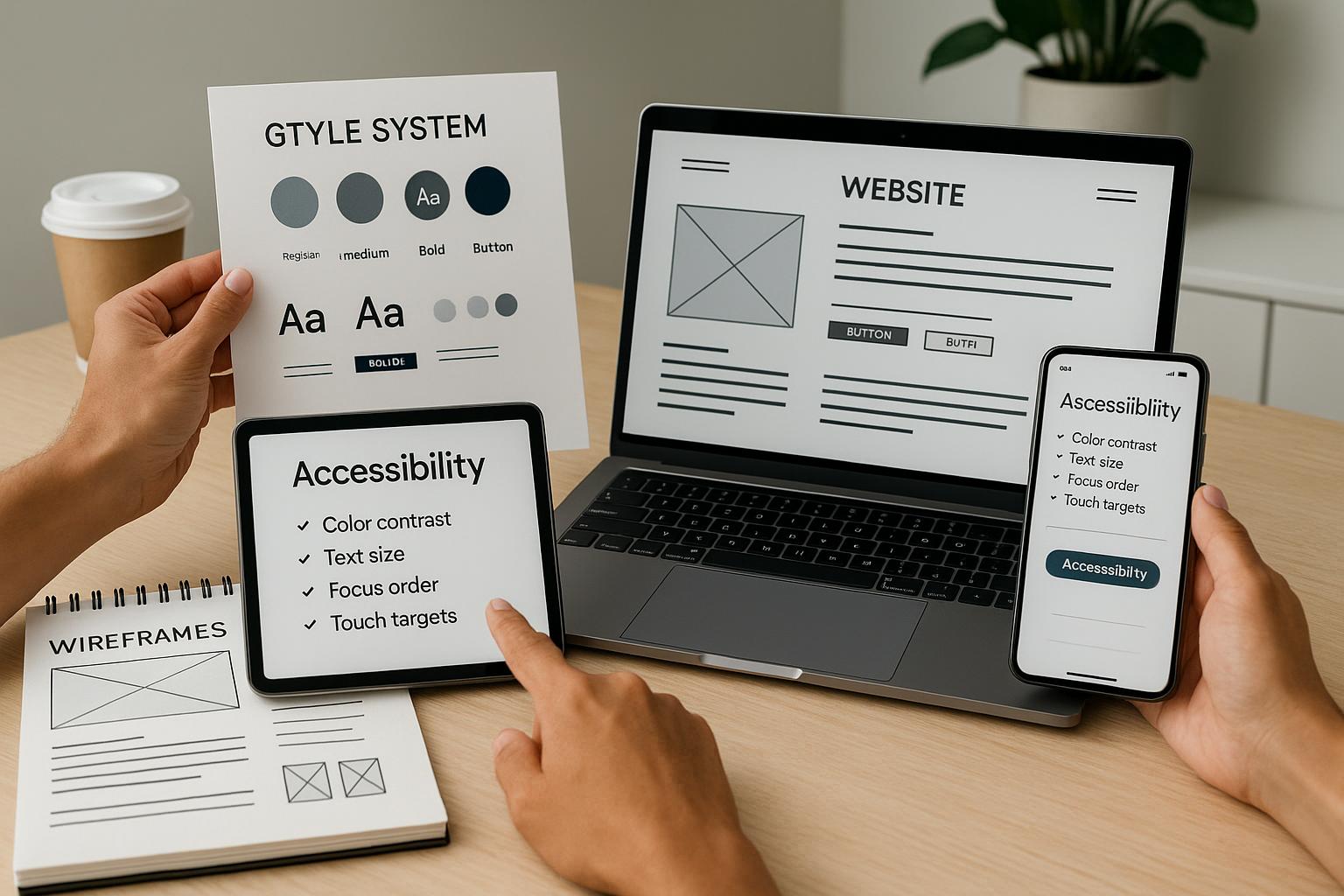

Unlock a Seamless, Device-Ready Web Presence with Responsive ColdFusion Web Designs
In today’s fast-paced digital landscape, a website that looks great and works flawlessly on every device is not a luxury — it’s a necessity. Responsive ColdFusion Web Designs combine the power of ColdFusion with modern responsive techniques to deliver fast, accessible, and conversion-focused experiences. For Los Angeles businesses aiming to scale, attract more customers, and improve search visibility, embracing Responsive ColdFusion Web Designs is a strategic move that pays dividends across user experience, performance, and ROI.
Why Responsive ColdFusion Web Designs Matter in 2026
Responsive design is no longer optional; it’s the default. When you pair responsive principles with ColdFusion’s robust server-side capabilities, you gain a flexible, maintainable architecture that adapts to evolving devices and user contexts. A Responsive ColdFusion Web Designs approach helps you:
- Deliver consistent experiences across smartphones, tablets, laptops, and desktops.
- Improve SEO by meeting mobile-first indexing standards and reducing bounce rates.
- Streamline maintenance with reusable CFML components and clean, semantic markup.
- Boost conversions through accessible forms, clearer CTAs, and faster load times.
- Future-proof your site as new devices and screen sizes emerge.
Core Elements of Responsive ColdFusion Web Designs Architecture
Building truly responsive solutions requires a well-considered architecture. The core elements of Responsive ColdFusion Web Designs include:
- Fluid grid systems that scale smoothly across breakpoints.
- Flexible images and media with CSS-driven sizing, not fixed pixel values.
- Adaptive typography that maintains readability on small screens.
- Efficient CFML templates that separate content from presentation for easy maintenance.
- Performance optimization, including image compression, caching, and minified assets.
- Accessible markup that supports screen readers and keyboard navigation.
- Data-driven components that adapt to device capabilities without sacrificing functionality.
Real-world Case Studies: Responsive ColdFusion Web Designs in Action
Case Study 1: Downtown Los Angeles E-commerce Brand
A mid-sized e-commerce retailer in Downtown Los Angeles partnered with Full Blown Web Designs to modernize their storefront using Responsive ColdFusion Web Designs. The goal was to boost mobile conversions, reduce cart abandonment, and improve page speed across devices. The redesign involved:
- Refactoring CFML templates into modular, reusable components for the product grid and checkout flows.
- Implementing a fluid grid, responsive product imagery, and CSS-based breakpoints tuned for mobile devices.
- Integrating MySQL databases with optimized queries to support fast product filtering and search.
- Enhancing accessibility and semantic structure to meet WCAG guidelines.
Outcome: mobile conversion rate rose by 42%, average session duration increased, and page load times dropped by over 35%. The client reported a measurable lift in revenue from mobile traffic and a lower rate of bounce on product pages. This is a practical example of how Responsive ColdFusion Web Designs can directly influence sales in a competitive market.
Case Study 2: Santa Monica Professional Services Firm
A Santa Monica-based law and consulting firm needed a responsive platform that could capture high-quality leads while presenting information in a trustworthy, easily navigable format. Full Blown Web Designs delivered a Responsive ColdFusion Web Designs solution featuring:
- Responsive contact forms with real-time validation and conditional fields, integrated with a secure backend.
- CFML-driven dynamic content blocks that adapt to device context without sacrificing performance.
- Strong emphasis on typography, contrast, and intuitive navigation for accessibility and credibility.
- Robust MSSQL database integration to support client intake workflows and analytics.
Outcome: the firm saw a 28% increase in qualified inquiries from mobile visitors, a notable reduction in bounce on service pages, and improved time-to-contact metrics. It’s a compelling example of how Responsive ColdFusion Web Designs can strengthen professional services online by aligning user experience with business goals.
Case Study 3: Local Digital Magazine
A Los Angeles digital publication needed a layout that prioritized content hierarchy on smaller screens while preserving rich multimedia experiences. The Responsive ColdFusion Web Designs approach included:
- Adaptive article templates that resize hero imagery and typography for readability on phones.
- Efficient content delivery with CFML caching strategies and CDN-assisted asset distribution.
- Tables, galleries, and media elements that gracefully scale without layout shifts.
- SEO-friendly markup and structured data to boost visibility in News and Web search results.
Outcome: page engagement improved across mobile devices, ad impressions maintained strong performance, and editorial workflows remained efficient thanks to reusable CFML components. This demonstrates how Responsive ColdFusion Web Designs support high-traffic content sites with strong mobile performance.
Step-by-Step: Implementing Responsive ColdFusion Web Designs Today
- Audit your current ColdFusion architecture and identify areas where responsive behavior can reduce layout shifts and improve performance.
- Define device breakpoints based on your audience analytics and typical user devices. Create a responsive grid that scales gracefully.
- Refactor templates into modular CFML components with clear separation of concerns (data, presentation, logic).
- Replace fixed-width assets with flexible images, fluid typography, and CSS-driven resizing rules.
- Optimize performance with caching strategies, minification, and image optimization. Ensure CFML queries are efficient and indexed.
- Prioritize accessibility (ARIA labels, semantic HTML, focus management) to broaden your reach and compliance.
- Implement testing across devices and browsers, then iterate. Use real user data to guide adjustments.
- Establish ongoing maintenance processes with versioned components and a clear design system for consistency.
Practical Do-It-Yourself Tips for Responsive ColdFusion Web Designs
- Start with a mobile-first mindset: design for the smallest screens, then scale up.
- Adopt a flexible image strategy: use srcset and sizes attributes or CSS to ensure crisp images on all displays.
- Consolidate fonts and maintain consistent typography across breakpoints to preserve readability.
- Use server-side includes or components to minimize duplication and speed up updates across pages.
- Test performance with real users in your target markets and adjust breakpoints and assets accordingly.
FAQ: Responsive ColdFusion Web Designs Essentials
-
What exactly is a responsive ColdFusion web design?
A responsive ColdFusion web design is a approach that combines ColdFusion server-side rendering with responsive front-end techniques. It delivers a flexible, device-agnostic user interface that adapts to different screen sizes while leveraging CFML components for dynamic content and data management.
-
How does ColdFusion influence responsiveness compared to other tech stacks?
ColdFusion provides rapid development with robust integration capabilities, powerful CFML templates, and straightforward data access. When paired with modern CSS and HTML5, it enables efficient rendering, dynamic content delivery, and scalable architectures without sacrificing responsive behavior.
-
What are the typical timeframes for a responsive redesign?
Timelines vary by scope, but a solid mid-sized site often ranges from 6 to 12 weeks for planning, design, development, and QA. A phased approach can deliver interim improvements in as little as 2–4 weeks, with ongoing refinements based on analytics.
-
Can you optimize existing ColdFusion apps for mobile without a full rewrite?
Yes. In many cases, you can convert front-end layouts to responsive CSS, refactor templates into reusable components, and adopt responsive CFML patterns. This approach reduces risk, preserves existing business logic, and delivers responsive results more quickly.
-
What should I look for in a vendor when planning a Responsive ColdFusion Web Design project?
Seek a partner with proven ColdFusion expertise, a track record of responsive design outcomes, and the ability to provide end-to-end services—from design and development to performance optimization, accessibility, and security. Look for case studies, references, and a plan that aligns with your business goals.
Contact Full Blown Web Designs
When you’re ready to transform into a truly Responsive ColdFusion Web Designs environment, Full Blown Web Designs stands ready to help. Our team features expert level web developers, certified expert ColdFusion developers, top-level graphic designers, and seasoned MySQL and MSSQL database specialists. We deliver end-to-end solutions that blend strategic design, competitive performance, and measurable business impact.
Why choose us for your Responsive ColdFusion Web Designs project in Los Angeles County? Because we combine technical excellence with a real-world understanding of how people interact with digital properties on every device. We don’t just make sites that look good; we build systems that perform, convert, and scale.
For more information, please contact us at support@fullblown.com or call (661) 429-0940.
Reach out today to discuss your goals, timeline, and budget. We’ll provide a transparent plan, a clear roadmap, and a dedicated team ready to start working on your Responsive ColdFusion Web Designs project. With Full Blown Web Designs, you gain a partner who understands the nuances of web design in Los Angeles and the importance of responsive, high-performance experiences for your customers.