Speed, leads, conversions, rankings, and ROI aren’t luck—they’re engineered by a skilled Full Stack Programmer
In a crowded digital marketplace, having a line of代码 that simply works is not enough. Businesses that win remotely understand that speed, reliability, and data-driven growth hinge on how the right Full Stack Programmer teams design, build, and optimize every layer of a web presence. At Full Blown Web Designs, we blend design artistry with engineering depth to deliver sites and systems that move fast, generate qualified leads, convert more prospects, climb search rankings, and produce measurable ROI. See how our approach can transform your development projects from tactical to strategic, with outcomes you can count on.What you gain when the right Full Stack Programmer leads the project
A Full Stack Programmer brings a holistic view to web projects—front-end elegance, back-end robustness, database discipline, and integrated optimization all in one hands. This is especially crucial when your stack includes complex integrations, data-heavy workflows, and rapid iteration cycles. The result is not just a prettier site; it’s a faster, smarter platform that attracts visitors, converts them, and sustains growth over time. - Strengthened performance and scalability: A single owner with end-to-end responsibility reduces handoff friction, accelerates delivery timelines, and keeps performance top of mind from the first line of code to production monitoring. - Integrated SEO and content strategy: Technical SEO isn’t an afterthought. Structural markup, clean rendering, and crawlable architectures are built in from the outset, improving visibility and bug-free indexing. - Reliable data flows and faster conversions: Optimized data models, caching strategies, and API orchestration enable real-time personalization, faster form submissions, and lower latency for critical interactions. - Seamless integrations with your stack: From CRM and marketing automation to analytics and your e-commerce engine, a single, capable engineer can align systems for reliable data, unified reporting, and faster time-to-value. - Measurable ROI and predictable velocity: With clear milestones, performance SLAs, and continuous optimization, you’ll see improved ranking signals, more qualified leads, and stronger revenue leverage. The result is a trusted technical growth partner that combines design, engineering depth, and measurable SEO outcomes. For teams seeking a pragmatic, outcomes-driven approach, our work at https://www.fbswebdesigns.com showcases a track record of blending aesthetics with engineering discipline.Strength through technical depth: what a Full Stack Programmer delivers
A Full Stack Programmer acts as a single point of accountability for front-end experiences, server logic, and data layer design. This is especially valuable when your priorities include: - Custom web design that doesn’t compromise performance - Elite custom programming and integrations that align with marketing and analytics - ColdFusion and database-heavy development where legacy systems must be preserved while achieving modern performance - Technical and local SEO that drives relevant traffic and converts In practice, this means: - Architectural clarity: Clear data models, scalable APIs, and robust security patterns that withstand growth. - Speed-first engineering: Performance budgets, code-splitting, server-side rendering considerations when appropriate, and intelligent caching. - Data integrity and visibility: Consistent data across systems, reliable event tracking, and actionable analytics for decision-making. - Accessibility and UX by default: Clean markup, semantic structure, and inclusive design that broadens reach and improves engagement. We emphasize the principle that every line of code should serve both user experience and business goals. This dual focus sets the stage for sustainable growth, not just short-term wins.From code to leads: aligning engineering with marketing and growth
Marketing teams want fast-loading pages, smooth user journeys, and reliable conversion paths. Engineers want scalable architectures, clean data, and maintainable code. The synergy happens when the technical blueprint is guided by growth objectives: - Lead capture as a system design principle: Forms, events, and conversions are implemented with reliability, instrumentation, and testability so that every micro-conversion is tracked and optimized. - SEO baked in from day one: Indexable content, proper canonicalization, structured data, and index-friendly URLs reduce friction for search engines and improve ranking potential. - Local optimization that scales: NAP accuracy, local schema, and mappable storefront experiences support regional campaigns and offline-to-online attribution. - Performance as a growth driver: Faster pages reduce bounce, increase engagement, and improve Quality Scores for paid and organic campaigns. A practical outcome of this alignment is a site where developers and marketers share a single source of truth, with dashboards that reveal correlations between page speed, user behavior, and revenue. It’s not theory—it’s a repeatable pipeline that compounds growth over time.Practical implementation steps for hiring and onboarding
If you’re ready to engage a Full Stack Programmer for durable results, here is a clear, actionable path you can implement today. It outlines how to select, collaborate with, and scale a project so you don’t lose time or momentum.- Define success metrics and ownership: Create a short list of primary KPIs (e.g., page speed targets, form submission rate, organic traffic, and revenue lift). Assign a single accountable owner who will oversee technical decisions and measure impact.
- Assess technical fit with the right scope: Evaluate your current stack (frontend framework, backend language, database, and integrations) and identify gaps that a Full Stack Programmer can close without scope creep. Prioritize integration work that unlocks new marketing capabilities and data-driven optimization.
- Prototype a lean, measurable sprint: Start with a two-week sprint focused on one high-impact area (e.g., page speed and form reliability). Define success criteria before each sprint and perform post-mortem analysis to capture learnings.
- Establish a transparent tech roadmap: Create a living document that ties milestones to business outcomes (leads, conversions, rankings). Include performance budgets, dependency maps, and a release calendar so stakeholders understand what to expect and when.
- Institute measurement and governance: Implement robust analytics, event tracking, and A/B testing frameworks. Build dashboards that show speed, conversions, and SEO signals in real time, and schedule recurring reviews to adjust strategy.
- Collaborate cross-functionally: Ensure marketing, design, and product teams participate in planning and review sessions to align goals and expectations.
- Invest in maintainable code and documentation: Prioritize clean architecture, modular components, and comprehensive documentation so future developers can build on the work without friction.
- Plan for long-term optimization: Build a backlog that includes performance improvements, data hygiene, and SEO refinements so the growth engine keeps firing.
Case study: measurable impact from a full-stack-led optimization
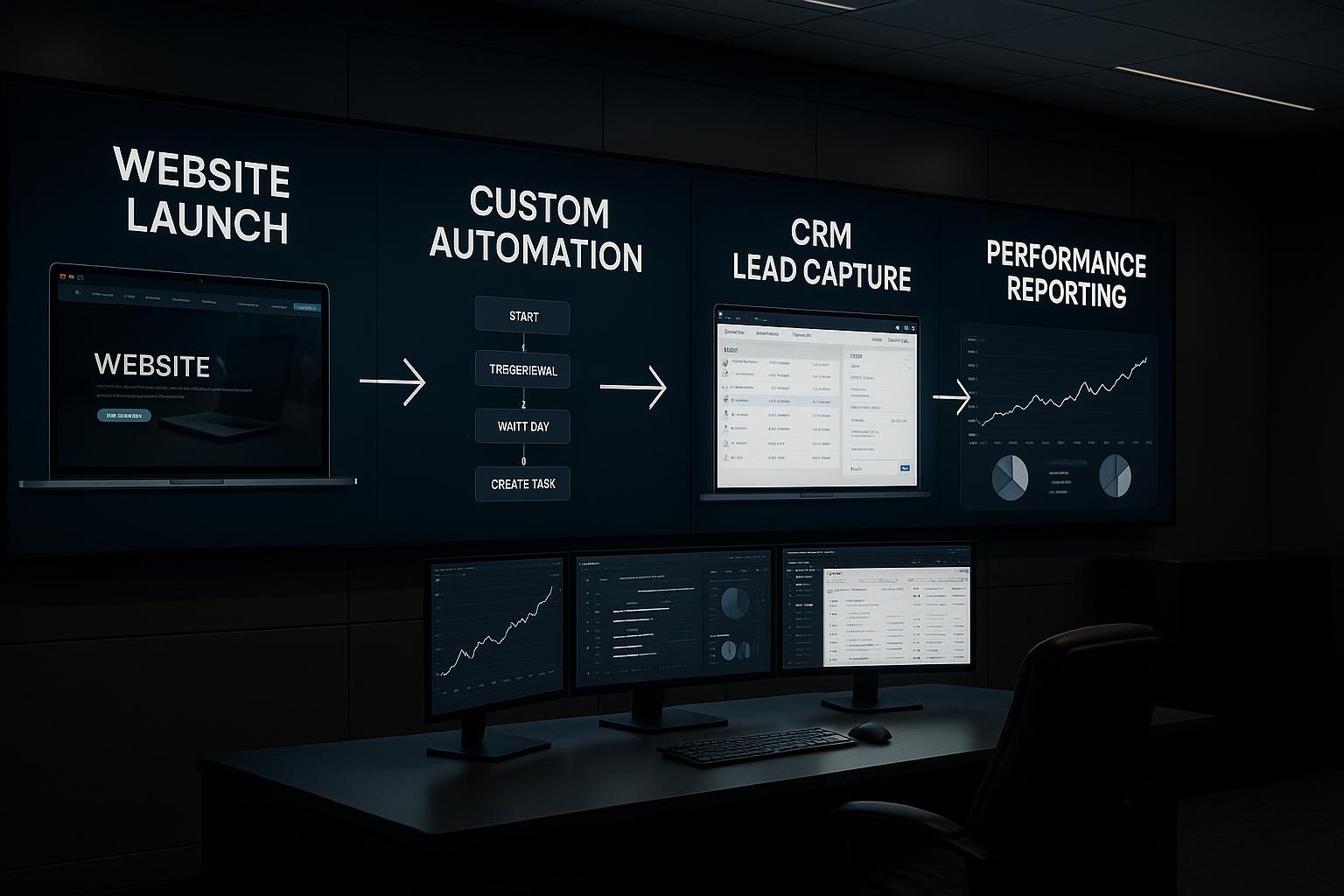
Client scenario: A mid-size e-commerce retailer with a ColdFusion-backed backend and a modern frontend requested a revamp to improve speed, leads, and conversions while preserving data integrity across marketing platforms. What we did: - Re-architected critical data flows and introduced an API-first approach to decouple the marketing stack from the database-heavy backend. - Implemented performance budgets, server-side optimizations, and strategic caching to reduce load times across core product pages and checkout funnels. - Aligned SEO and analytics instrumentation with product launches and seasonal campaigns. Measurable outcomes (over a 12-week engagement): - Speed: Page load times on core category pages improved by 42%, with faster time-to-interactive on product detail pages. - Conversions: Checkout funnel conversions increased by 28% due to reduced latency and streamlined form experiences. - Leads: Lead-form submissions rose by 34% after form optimization and better on-page attribution. - Rankings: Targeted product and category keywords climbed from page 3 to page 1 for 5 core terms, while technical SEO improvements improved crawl efficiency. - Revenue: Overall revenue contribution from online channels grew by 22% versus the prior period, driven by higher conversion rates and increased organic traffic. This case demonstrates how a single, capable Full Stack Programmer can orchestrate cross-disciplinary changes that yield tangible business results. The project relied on design-quality principles, deep engineering, and a growth-oriented mindset—precisely the strengths of Full Blown Web Designs as a trusted technical growth partner. If you’d like to see similar outcomes, our portfolio highlights practical examples and data-driven results at https://www.fbswebdesigns.com.Measuring success: key metrics and how to track them
To ensure decisions are data-informed, focus on a concise set of metrics that reflect speed, engagement, and business impact: - Core web vitals and performance signals: LCP (Largest Contentful Paint), FID (First Input Delay), and CLS (Cumulative Layout Shift) to quantify user experience and potential SEO impact. - Conversion and revenue metrics: conversion rate, average order value, revenue per visitor, and cart-to-checkout completion rate. - Lead generation metrics: qualified lead submissions, cost per lead, and lead-to-customer conversion rate. - SEO and traffic metrics: organic traffic growth, keyword rankings for priority terms, click-through rate from search results, and index coverage health. - Technical health indicators: uptime, error rates, API latency, and data consistency across integrated systems. To operationalize these metrics, implement a simple dashboard that aggregates data from your analytics platform, server metrics, and your marketing stack. Schedule monthly review cycles with stakeholders to adjust priorities, iterate on experiments, and celebrate wins.Frequently asked questions
Q: How does a Full Stack Programmer differ from hiring separate frontend and backend developers?
A: A Full Stack Programmer provides ownership across the entire stack, reducing coordination overhead and ensuring that front-end performance, back-end reliability, and data pipelines are designed to work together from day one. This leads to faster delivery, fewer integration issues, and a cohesive growth strategy across design, engineering, and SEO.
Q: Can you handle legacy systems like ColdFusion while delivering modern performance?
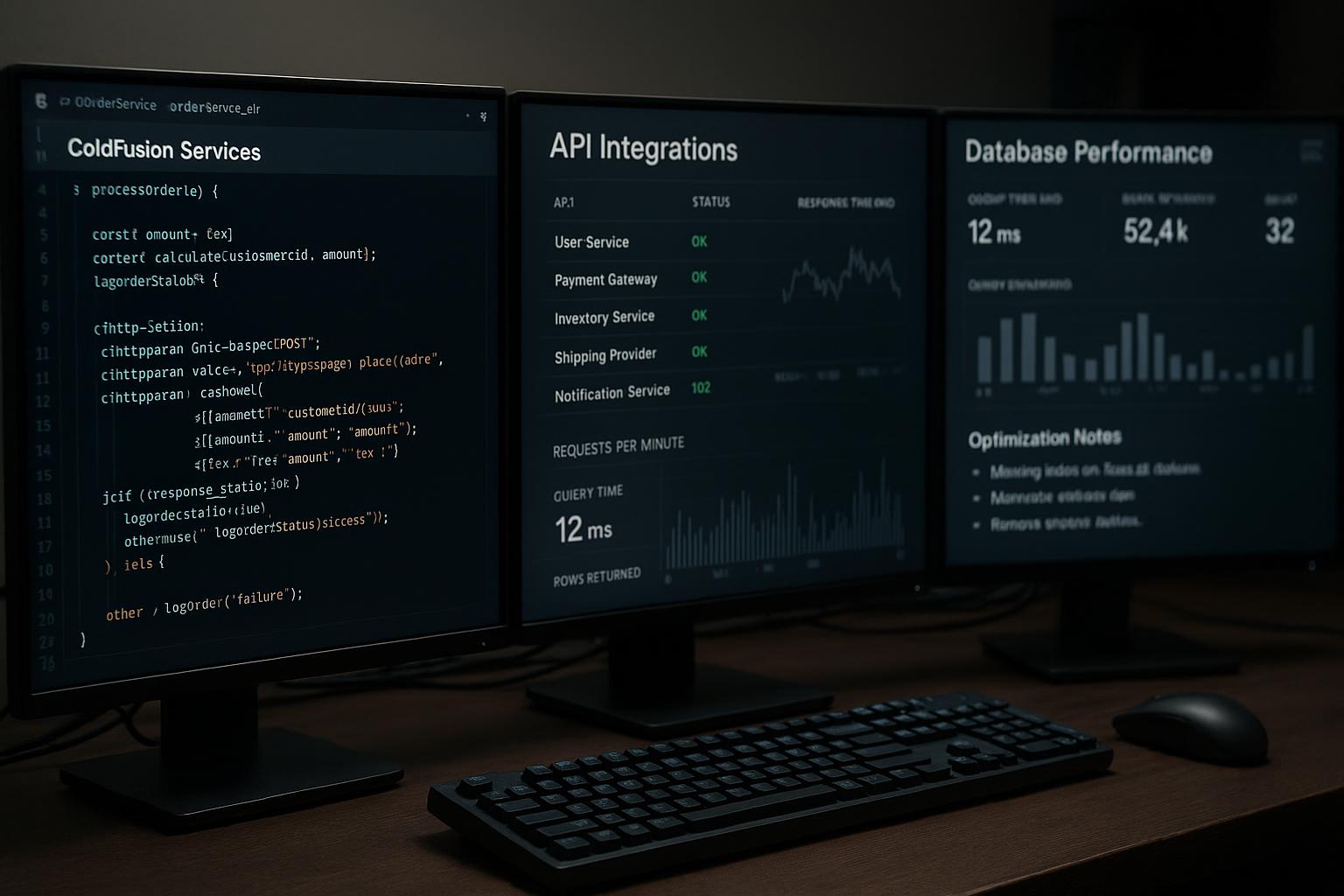
A: Yes. We specialize in bridging legacy databases and modern architectures. The approach preserves critical data and functionality while introducing scalable patterns, optimized data access, and improved security—all without disrupting existing workflows.
Q: How do you quantify ROI for a technical growth project?
A: ROI is measured by tying technical improvements to business outcomes: speed gains that reduce bounce and increase engagement, higher lead and conversion rates, improved organic visibility, and ultimately revenue growth. We track these metrics via a shared dashboard and provide periodical performance reviews with actionable insights.
Q: What makes your approach different for SEO?
A: We integrate technical SEO into the development lifecycle, not after the fact. This includes crawlable markup, proper schema, clean URLs, fast rendering paths, and structured data that aligns with marketing goals. The result is more robust search performance and sustainable rankings.
Q: How quickly can we start seeing measurable results?
A: Results depend on scope and baseline conditions, but many clients begin to see improvements in performance and leads within 4–8 weeks after the initial optimizations, with continued gains as the roadmap progresses. A well-defined sprint plan and clear KPIs accelerate momentum.