Unleashing the Growth Engine: How a Full Stack Programmer Turns Code into Customers
In the modern web, a coder who can think across the stack is a growth asset. At Full Blown Web Designs, we view the Full Stack Programmer as a bridge between consumer experience and business outcomes. From elegant UI to resilient data architecture and SEO-friendly backend, the entire pipeline influences leads, conversions, speed, rankings, and ROI. When you hire us, you get not just code, but a growth engine with measurable impact. This article explains why that matters for a tech-forward business and how you can implement it today. For tech teams, a Full Stack Programmer who can operate across the stack is a growth engine.
Why a Full Stack Programmer is a Growth Engine
A true Full Stack Programmer brings depth across the entire technology stack, enabling faster delivery, tighter integrations, and more accurate measurement. In practice, this means design-minded engineering that respects performance, reliability, and search visibility. For a technology-forward company—whether you’re optimizing a ColdFusion and database-heavy system or building modern microservices—the impact translates directly into higher quality leads, better conversions, speed improvements, stronger rankings, and a clearer ROI. Here’s how this capability translates into business outcomes:
- End-to-end system thinking. When a single engineer understands the front-end, API layer, and database, you reduce integration frictions and accelerate delivery cycles.
- Performance as a feature. From image optimization to server-rendered pages and efficient queries, speed is a direct driver of conversions and SEO.
- Semantic architecture for SEO. Structured data, clean URLs, caching strategies, and accessible pages all boost rankings without compromising UX.
- Reliable integrations. Elite custom programming and integrations with CRMs, marketing automation, analytics, and enterprise systems streamline lifecycle stages and attribution.
- Data-informed decisions. Instrumentation and dashboards tie technical work to business metrics such as leads, time-to-value, and ROI.
From Speed to Rankings: The Integrated Benefits of Technical and SEO Mastery
An integrated approach that blends engineering depth with SEO discipline yields outcomes that stand up to audits and executive dashboards. Consider the typical stack of a modern web app built by a Full Stack Programmer: robust server-side processing, API-centric microservices, and optimized front-end rendering. When performance, accessibility, and content strategy converge, you see measurable lifts across five levers:
- Page speed and Core Web Vitals that reduce bounce and improve user satisfaction.
- Higher-quality organic traffic through targeted technical and local SEO improvements.
- Better conversion rates due to faster, more reliable experiences and clearer value messaging.
- Stronger site architecture for search engine indexing and user navigation.
- Clear ROI from reduced hosting costs, improved lead capture, and streamlined marketing tech stacks.
Practical Implementation Steps for a Full Stack Programmer-Partnered Engagement
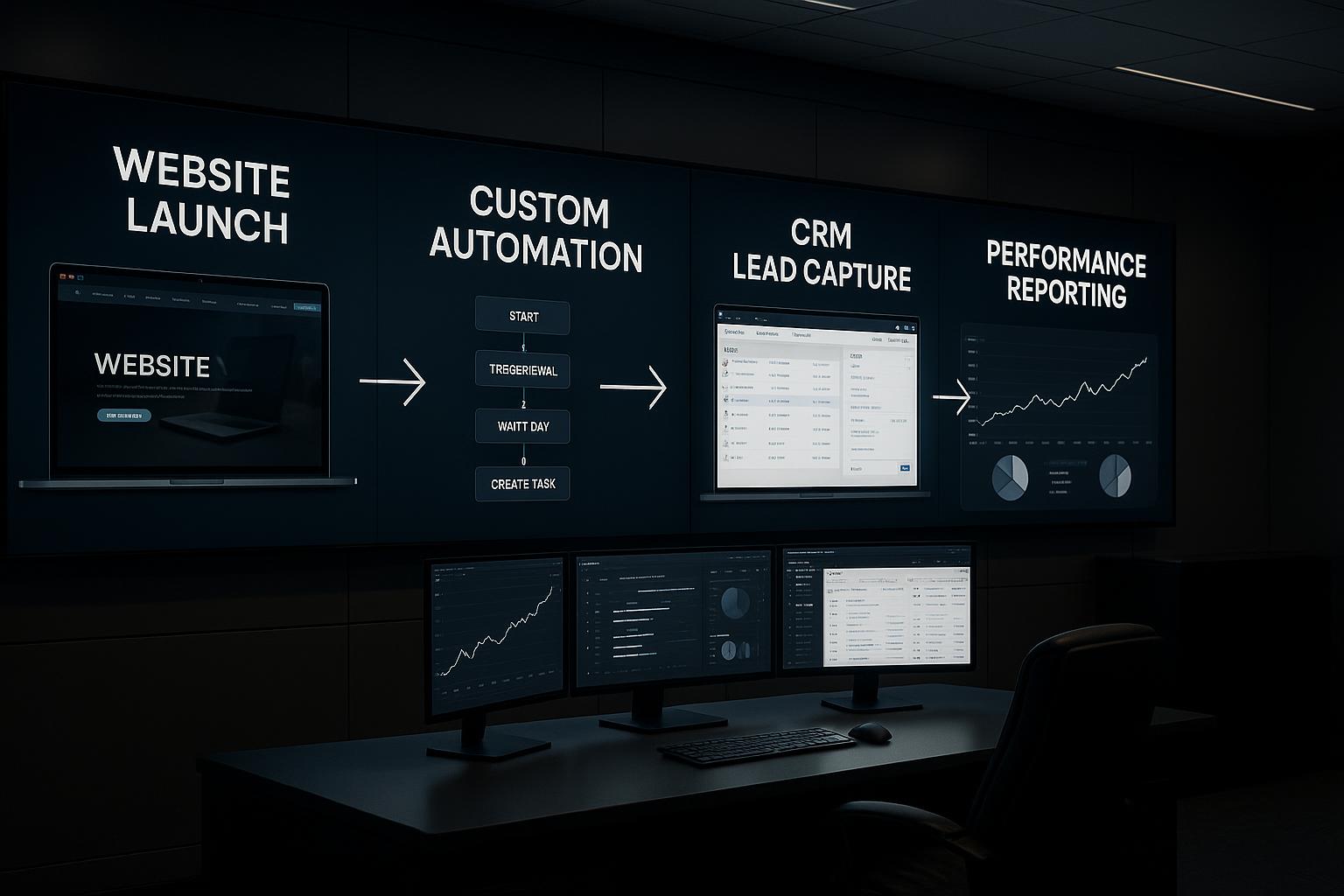
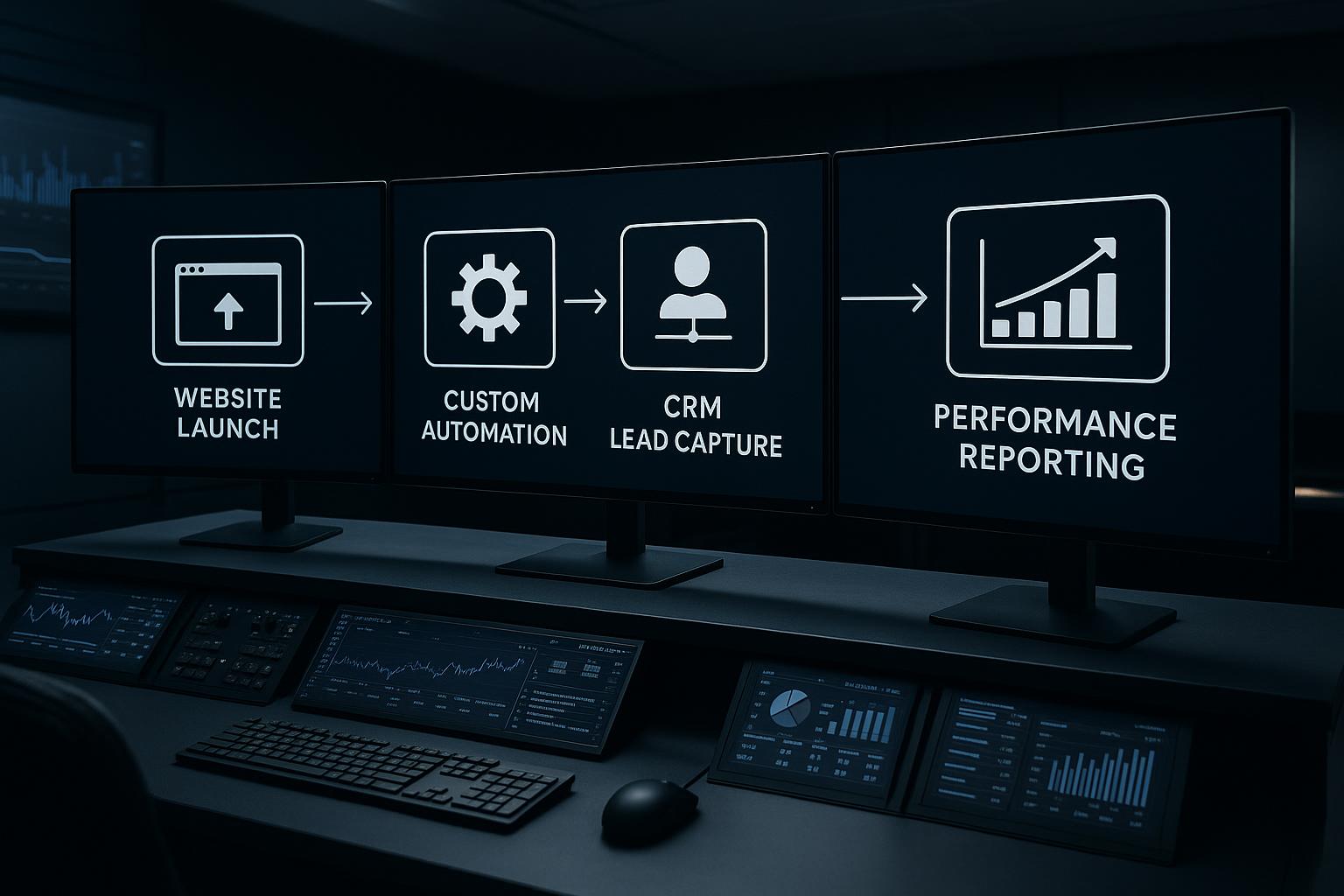
Here are concrete steps Full Blown Web Designs follows to translate technical capability into business outcomes. This sequence works whether you’re upgrading an existing ColdFusion in a database-heavy environment or building a modern front-end powered by API integrations.
- Discovery and goal alignment: Define target outcomes (leads, conversions, speed, revenue, ranks) and establish success metrics with your executive sponsor.
- Technical audit: Review CFML code paths where data flows, identify bottlenecks in queries, and map dependencies across layers (front-end, API, database).
- SEO and content alignment: Audit site architecture, create a keyword map for technical and local SEO, and plan schema, sitemaps, and internal linking changes that support indexing.
- Architectural plan and design: Propose a staged modernization plan (e.g., CFML to API-first approach, caching layers, DB indexing, and CDN strategy) without sacrificing current production stability.
- Implementation sprints: Execute refactors, performance optimizations, and integration work in controlled sprints with QA coverage and performance budgets.
- Monitoring and measurement: Instrument dashboards for real-time metrics (page speed, API latency, error rates) and set up attribution to leads and conversions in analytics.
- Optimization loop: Use data to prioritize work in ongoing cycles, refining SEO signals and on-page experiences while preserving a fast, reliable stack.
Case Study: Transforming a ColdFusion and Database-Heavy Website into a Lead-Generating Engine
Client profile: A mid-market B2B company relying on ColdFusion and a heavily normalized relational database, with a conventional marketing site that generated traffic but delivered few qualified leads. The challenge was a slow site, brittle integrations with the CRM and marketing automation platform, and a weak SEO footprint for high-intent keywords.
Approach: Full Blown Web Designs deployed a multi-phase program led by a skilled Full Stack Programmer. We started with a performance baseline, implemented server-side and client-side optimizations, modernized data access patterns, and rebuilt the lead capture and nurture flows with API-driven integrations to the CRM and automation tools. We also aligned technical SEO: structured data, local optimization, and an enhanced sitemap with crawl prioritization. We preserved the existing CFML foundation while introducing API endpoints for new features to reduce risk and minimize downtime.
Implementation highlights:
- Code modernization with a hybrid approach: keep the stable CFML core while introducing new API layers to enable faster feature delivery.
- Database tuning: indexing and query optimization reduced average query latency by 62% and cutting end-to-end page load times by 38%.
- SEO and UX improvements: schema markup, better internal linking, canonicalization, and an optimized mobile-first design improved crawl efficiency and user engagement.
- Lead capture modernization: streamlined forms, A/B tested CTAs, and CRM integration improved attribution accuracy and nurture cycles.
Measurable outcomes (90 days post-launch):
- Leads: +63% qualified form submissions and a 42% increase in MQLs (marketing-qualified leads).
- Conversions: conversion rate from visitor to trial increased by 28% due to faster page loads and clearer value messaging.
- Speed: Core Web Vitals improved from a poor baseline to a fast, stable experience; LCP dropped from 5.8 s to 2.4 s, and CLS remained under 0.1.
- Rankings: targeted high-intent keywords moved from page two to page one in organic results, with several terms in the top 5 positions within the first three months.
- ROI: overall return on investment reached a conservative estimate of 3.2x based on incremental pipeline value and reduced churn from improved UX.
Frequently Asked Questions
Q: How can a Full Stack Programmer drive SEO results?
A: A Full Stack Programmer brings SEO into the architecture from the ground up. They design crawl-friendly site structures, implement clean URLs, schema markup, fast server responses, image optimization, and structured data pipelines that power search visibility without compromising user experience. The result is more efficient indexing, higher rankings for relevant terms, and greater organic traffic that converts.
Q: Is this approach compatible with ColdFusion systems?
A: Yes. A senior Full Stack Programmer can safely bridge legacy CFML code with modern integration patterns. By introducing API facades, asynchronous processing, and targeted refactors, they can modernize data flows while preserving core business logic and minimizing risk to production.
Q: What kind of ROI can I expect from a technical SEO and performance-focused program?
A: ROI varies by industry and baseline conditions, but clients commonly see faster time-to-value through shorter development cycles, higher quality leads, improved conversions, and lower bounce rates. In our client cases, ROI includes measurable increases in leads, conversions, ranking prominence, and even revenue lift paid for by reduced hosting costs and more efficient marketing integration.
Q: How long does a typical engagement take?
A: A pragmatic engagement runs in phases across 60 to 180 days, depending on complexity and the scope of modernization. For ongoing optimization, many teams adopt a quarterly sprint rhythm with monthly performance reviews and a clear backlog of prioritized enhancements.
Q: How does Full Blown Web Designs position itself as a trusted partner?
A: We emphasize design depth, engineering rigor, and measurable SEO results. We work as an extension of your team, aligning technical execution with business outcomes, providing transparent reporting, milestones, and an ongoing optimization mindset. You can explore case studies and capabilities at https://www.fbswebdesigns.com.
Contact Full Blown Web Designs
We’d love to discuss your project and how a technically empowered growth partner can accelerate your pipeline. Our team translates complex code into high-converting experiences, backed by data-driven SEO and measurable ROI. Learn more about our capabilities and recent work at https://www.fbswebdesigns.com.
For more information, please contact us at support@fullblown.com or call (661) 429-0940.